

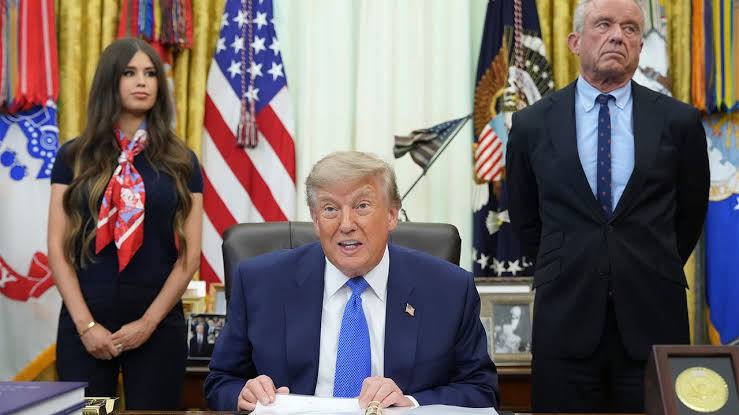
A recent federal executive directive aimed at restructuring United States childhood immunization schedules by unbundling the 3-in-1 Measles, Mumps, and Rubella (MMR) vaccine into separate individual injections has met with detailed operational and scientific assessments from biopharmaceutical manufacturers, regulatory experts, and pediatric infectious disease specialists.
As reported by the Associated Press and published in the Tribune Chronicle, public health researchers emphasize that while the directive seeks to offer spaced-out dosing schedules, there are currently zero monovalent (standalone) measles, mumps, or rubella vaccines approved or manufactured in the United States. Transitioning away from the combination standard that has been in place since 1971 would require multi-year clinical trials, substantial capital investments in new pharmaceutical fill-finish plants, and could triple the number of required pediatric doctor visits.
Key Takeaways from the MMR Vaccine Logistics Assessment
- Zero FDA-Approved Monovalent Formulations: All currently licensed MMR vaccines under FDA oversight are multi-component formulations; standalone single-antigen shots ceased domestic production decades ago.
- Multi-Year Manufacturing Re-tooling: Major vaccine makers (including Merck and GSK) indicate that formulating, testing, and licensing separate sterile fill lines requires an estimated 3 to 5 years and hundreds of millions in capital expenditures.
- Clinical Visit Escalation for Families: Separating the standard two-dose MMR series into individual shots increases required pediatric injections from 2 to 6, raising the risk of missed appointments and reduced community immunity.
- Pediatrician Consensus on Safety: The American Academy of Pediatrics (AAP) and the CDC reaffirm that combination vaccines safely minimize needle discomfort while maximizing timely disease protection.
Deep Dive: The Science of Combination Vaccines vs. Monovalent Antigens
Combination vaccines are among the most significant public health engineering achievements of the late 20th century. By combining attenuated viral strains (such as the Edmonston-Enders measles strain, Jeryl Lynn mumps strain, and Wistar RA 27/3 rubella strain) into a single vial, pharmaceutical scientists created a stable biological product that stimulates robust protective antibody titers across all three viral targets simultaneously.
Decades of rigorous immunological surveillance have demonstrated that combination vaccines do not “overwhelm” a child’s immune system. An infant’s immune system encounters thousands of environmental antigens daily; the antigen count in modern childhood vaccines is actually lower than in older historic formulations due to purified protein technologies.
“Decades of peer-reviewed clinical evidence confirm the safety and efficacy of combination childhood vaccines. Unbundling shots does not improve safety, but it substantially increases the logistical barrier for parents trying to keep their children protected against highly contagious viruses.”
Childhood Combination Vaccines vs. Monovalent Schedules Comparison Matrix
| Vaccine Formulation | Diseases Prevented | Standard Doses Required | Total Injections & Clinical Complexity |
|---|---|---|---|
| Standard MMR Combination | Measles, Mumps, & Rubella | 2 Doses (Age 1 & Age 4–6) | 2 Injections Total; proven 97% measles efficacy; standard since 1971. |
| Separated Monovalent Alternative | Measles, Mumps, & Rubella (Separate) | 2 Doses per individual antigen | 6 Injections Total; requires 6 separate clinical visits; no current FDA-approved domestic supply. |
| DTaP Combination | Diphtheria, Tetanus, & Acellular Pertussis | 5 Doses (Infancy through Age 6) | 5 Injections Total; protects against whooping cough and lockjaw in a single syringe. |
| MMRV Quadrivalent Combination | Measles, Mumps, Rubella, & Varicella | 2 Doses (Combines MMR + Chickenpox) | 2 Injections Total; reduces total childhood injections by combining four protective antigens. |
Industrial and Regulatory Obstacles: The 90-Day Feasibility Challenge
While the federal order tasks health agencies with delivering an implementation roadmap within 90 days, pharmaceutical supply chain experts point to substantial regulatory and technical bottlenecks:
- Sterile Biomanufacturing Line Reallocation: Vaccine production involves living cell cultures (such as chick embryo fibroblasts) that take months to grow, harvest, and stabilize. Dedicating production lines to three separate products triples bioreactor footprint requirements.
- FDA Biologics License Applications (BLA): Bringing separate monovalent vaccines to market requires full Phase 1, 2, and 3 clinical safety and immunogenicity trials, a process that typically spans several years.
- Global Supply Chain Shortages: Diverting glass vials, specialized stoppers, and medical-grade prefilled syringes away from global health programs could trigger international vaccine supply deficits.
Pediatric Practice Implications: The Burden on Outpatient Clinics
For community pediatricians and family practice clinics, shifting from combination vaccines to unbundled multi-visit schedules poses acute operational strains:
- Clinic Appointment Gridlock: Spacing out individual shots requires parents to schedule between 12 and 18 separate well-child visits during the first four years of life, overwhelming clinic scheduling capacities.
- Risk of Incomplete Immunization Series: Real-world public health data demonstrates that as the number of required clinic visits increases, parental attrition rises, resulting in dropped second or third booster doses.
- Medical Supply and Cold-Chain Storage Pressures: Storing triple the number of individual vaccine vials requires clinics to invest in additional ultra-low temperature medical refrigeration units.
Economic Impacts on Healthcare Systems and Working Parents
The proposed transition carries heavy financial consequences for family budgets and insurance payers:
- Parental Work Absence Costs: Attending six separate doctor visits for MMR components alone requires working parents to take additional unpaid leave or use limited paid time off.
- Copays and Administration Fees: Health insurance plans charge separate administration fees for each vaccine injection, driving up out-of-pocket costs for underinsured families.
- Public Health Containment Expenses: Pockets of under-vaccinated children increase the risk of community measles outbreaks, which cost municipal health departments millions of dollars in contact-tracing and quarantine operations.
Actionable Guidance for Parents and Healthcare Providers
For parents navigating immunization decisions and pediatricians managing parent communications:
- Consult Your Board-Certified Pediatrician: Discuss any questions regarding vaccine timing directly with your child’s pediatrician, who can provide evidence-based guidance tailored to your child’s health history.
- Maintain Digital Immunization Records: Utilize your state’s digital Immunization Information System (IIS) portal to keep track of completed doses and upcoming milestone dates.
- Prioritize Timely Measles Protection: Ensure infants receive their first MMR dose promptly between 12 and 15 months of age, particularly before international travel or entering group daycare settings.
Conclusion
The debate over unbundling the MMR vaccine highlights the intricate intersection of public policy, biopharmaceutical logistics, and clinical immunology. While policy discussions continue, the consensus among medical researchers remains clear: combination vaccines provide safe, proven, and accessible protection that safeguards children and communities worldwide.