

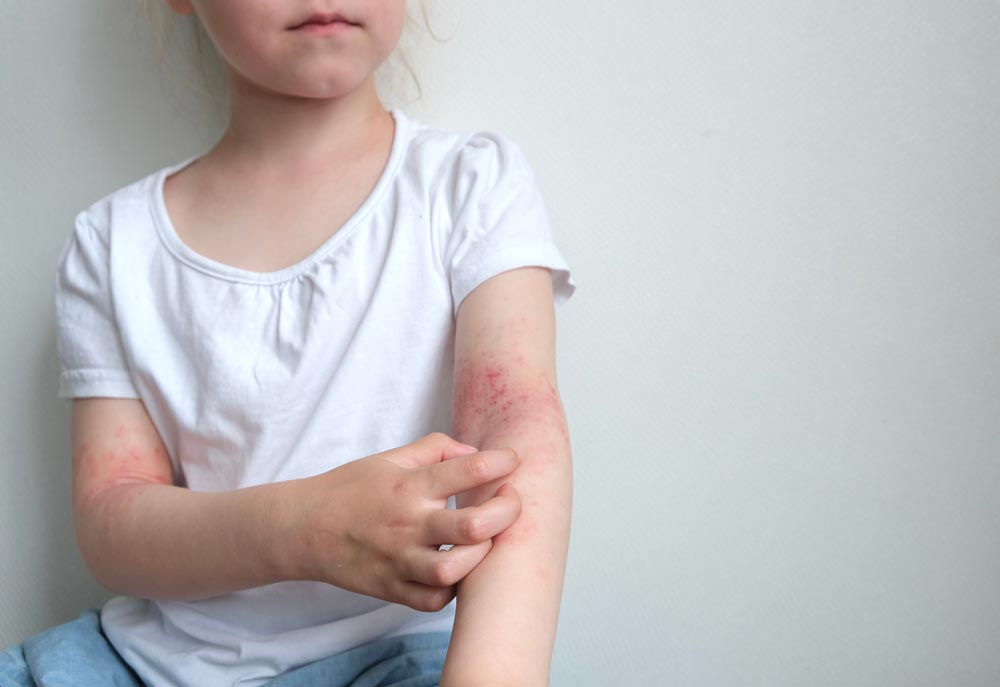
In a major milestone for pediatric dermatology and childhood inflammatory skin management, the U.S. Food and Drug Administration (FDA) has approved the supplemental New Drug Application (sNDA) for Zoryve (roflumilast 0.3%) cream, developed by biopharmaceutical pioneer Arcutis Biotherapeutics.
As confirmed in clinical regulatory announcements reported across Medical Update Online, the FDA has officially expanded Zoryve’s label to treat plaque psoriasis in pediatric patients down to 2 years of age. Previously indicated for adults and children aged 6 and older, Zoryve provides a first-in-class, once-daily, steroid-free topical phosphodiesterase-4 (PDE4) inhibitor specifically formulated to clear plaques, soothe intense pruritus (itching), and restore the delicate pediatric epidermal barrier without the severe toxicities associated with chronic corticosteroid use as highlighted by the National Psoriasis Foundation.
Key Takeaways from the FDA Pediatric Zoryve Approval
- Expanded Label Down to Age 2: Grants approval for children ages 2 through 5 years suffering from mild, moderate, or severe plaque psoriasis.
- Once-Daily Steroid-Free Regimen: Eliminates long-term steroid risks such as skin thinning (atrophy), striae, telangiectasia, and systemic hypothalamic-pituitary-adrenal (HPA) axis suppression.
- Safe for Sensitive and Intertriginous Areas: Clinically proven safe for application across delicate anatomical zones, including the face, neck, groin, and intertriginous skin folds.
- Backed by MUSE & Long-Term Extension Trials: Validated by 4-week Maximal Usage Systemic Exposure (MUSE) pharmacokinetics and 24-week long-term safety data in toddlers and young children according to the American Academy of Dermatology.
Deep Dive: Molecular Mechanism of Targeted PDE4 Inhibition in Young Children
Plaque psoriasis in young children presents unique therapeutic challenges. Driven by immune dysregulation, overactive T-helper cells (Th17/Th1) stimulate keratinocyte hyperproliferation, leading to erythematous, scaly plaques and debilitating itching that severely impairs sleep and childhood development.
Roflumilast operates as a highly potent, targeted inhibitor of the intracellular enzyme phosphodiesterase-4 (PDE4). Inside immune and inflammatory skin cells, PDE4 normally breaks down cyclic adenosine monophosphate (cAMP). By selectively blocking PDE4, Zoryve increases intracellular cAMP levels, which in turn orchestrates a rapid downregulation of pro-inflammatory cytokines (including TNF-alpha, IL-17, and IL-23) while simultaneously boosting anti-inflammatory mediators (such as IL-10). This dual action halts inflammatory plaque formation without compromising systemic immune defenses.
“The approval of a once-daily, steroid-free topical treatment for children as young as 2 introduces an essential new standard of care for an underserved pediatric population. It delivers robust skin clearance and rapid itch relief without placing developing children at risk of steroid-induced skin thinning or hormone disruption.”
Pediatric Plaque Psoriasis Treatments Comparison Matrix
| Treatment Class & Medication | Primary Mechanism of Action | FDA Approved Age Group | Safety Profile & Key Clinical Differentiator |
|---|---|---|---|
| Zoryve (Roflumilast 0.3%) Cream | Targeted Topical PDE4 Inhibitor | Ages 2 Years and Older (Expanded August 2026) | Steroid-free; no application duration limit; safe for face, skin folds, and body. |
| Topical Corticosteroids (Clobetasol / Triamcinolone) | Broad Non-Specific Glucocorticoid Receptor Activation | Varies (Typically 12+ for High Potency) | High risk of skin atrophy, striae, and HPA axis suppression; restricted to 2–4 weeks max use. |
| Topical Calcineurin Inhibitors (Tacrolimus / Pimecrolimus) | Calcineurin Inhibition / T-Cell Suppression | Ages 2+ (Off-label for Psoriasis) | Frequent application site burning and stinging; boxed warning concerns. |
| Vitamin D3 Analogues (Calcipotriene) | Keratinocyte Differentiation Regulation | Ages 4+ (Limited formulations) | Risk of hypercalcemia if applied over broad body surface areas; local irritation. |
| Systemic Biologics (IL-17 / IL-23 Inhibitors) | Monoclonal Antibody Cytokine Neutralization | Ages 6+ (Select agents) | Requires subcutaneous injections; reserved for severe refractory systemic disease. |
Clinical Evidence: The MUSE and Long-Term Open-Label Extension Data
The FDA’s approval was grounded in comprehensive pharmacokinetic, efficacy, and tolerability data from two rigorous pediatric clinical trials:
- MUSE Pharmacokinetic Trial (Study ARQ-151-216): Enrolled children aged 2 to 5 years with plaque psoriasis covering at least 2% body surface area (BSA). Under maximal daily usage conditions, roflumilast demonstrated predictable, low systemic absorption without drug accumulation or laboratory abnormalities.
- 24-Week Open-Label Extension (Study ARQ-151-306): Followed pediatric patients over six months of continuous once-daily therapy. More than 50% of children achieved an Investigational Global Assessment (IGA) score of ‘Clear’ or ‘Almost Clear’ (0 or 1) with at least a 2-grade improvement.
- Rapid Pruritus Clearance: Caregivers reported statistically significant reductions in Worst Itch Numeric Rating Scale (WI-NRS) scores within the first 48 hours of treatment, directly improving child sleep quality.
Formulation Science: The HydroSoothe Moisturizing Vehicle
A critical component of Zoryve’s clinical success in young children is its proprietary emulsion vehicle, engineered as HydroSoothe:
- Water-Based, Non-Greasy Emulsion: Formulated without common cosmetic irritants, fragrances, propylene glycol, or harsh alcohols, eliminating stinging and burning upon application to broken skin.
- Barrier Lipid Replenishment: Contains physiologic moisturizing lipids that actively hydrate dry, scaly plaques and restore transepidermal water barrier integrity.
- Smooth Absorption: Absorbs cleanly within seconds, allowing parents to dress active toddlers immediately after morning or evening application without ointment transfer to clothing.
Addressing Steroid Phobia and Caregiver Burden
Psoriasis management in young children has long been fraught with anxiety for parents and caregivers:
- Mitigating ‘Steroid Phobia’: Up to 75% of parents express deep reluctance to apply potent corticosteroids to toddlers due to fears of growth stunting and permanent skin thinning. Zoryve provides pediatricians with a reassuring, non-steroidal first-line alternative.
- Simplifying Daily Treatment Routines: Rather than rotating between multiple prescription ointments for the face, body, and diaper area, families can utilize a single once-daily tube across all affected anatomical sites.
- Preventing Disease Rebound Flares: Unlike steroids, which frequently cause severe flare-ups upon abrupt discontinuation, PDE4 inhibition allows for steady long-term maintenance.
Actionable Clinical Guidance for Pediatricians and Dermatologists
For pediatricians, family physicians, and clinical dermatologists preparing to prescribe Zoryve cream to toddlers:
- Instruct Caregivers on Once-Daily Thin Layer Application: Advise parents to apply a thin layer once daily to affected plaques across all body areas, rubbing in gently until absorbed.
- Monitor for Mild Gastrointestinal Tolerability: In pediatric clinical trials, the most common adverse events were mild diarrhea and upper respiratory tract infections, which were transient and rarely led to treatment discontinuation.
- Leverage Manufacturer Patient Support: Enroll eligible families into Arcutis Cares copay assistance programs to ensure commercial insurance copays do not exceed $0 to $25 per prescription refill.
Conclusion
The FDA expansion of Zoryve (roflumilast 0.3%) cream to children as young as 2 years represents a transformative advance in pediatric dermatology. By providing a once-daily, highly effective, steroid-free topical therapy, Arcutis Biotherapeutics has fundamentally improved the treatment landscape for young children and families living with plaque psoriasis.