

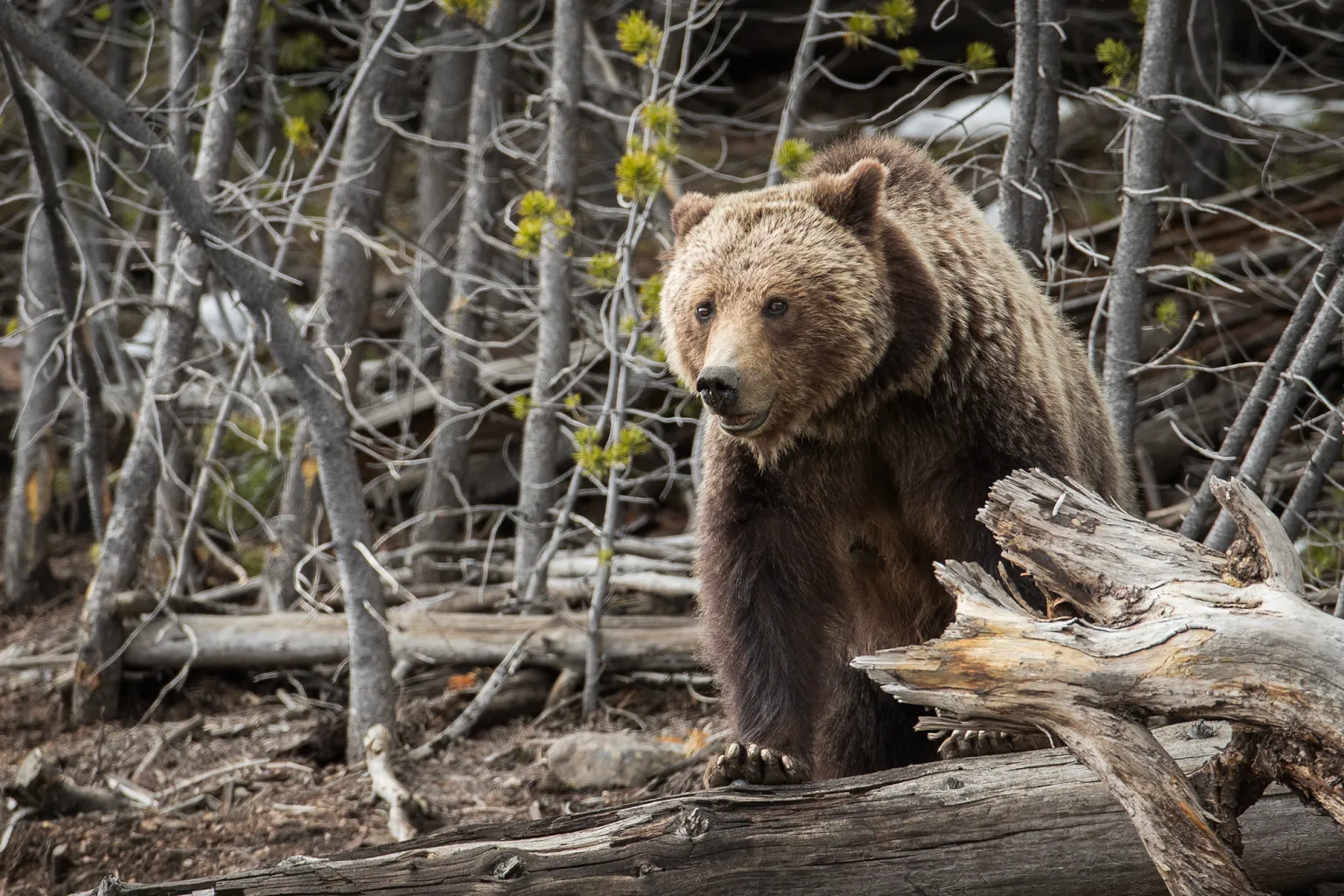
In a contentious legislative outcome balancing historical ecological restoration against modern agricultural and public safety concerns, the California Assembly Appropriations Committee officially spiked Senate Bill 1305, halting a proposal to study the feasibility of reintroducing grizzly bears to California.
As reported in legislative coverage published by CalMatters and the North Coast Journal, the bill—introduced by Senator Laura Richardson (D-Inglewood) and co-sponsored by two Native American tribal nations—would have directed the California Department of Fish and Wildlife (CDFW) to prepare a comprehensive feasibility roadmap. The committee, chaired by Assemblymember Buffy Wicks (D-Oakland), chose not to advance the bill to the Assembly floor ahead of the legislative fiscal deadline.
Key Takeaways from the SB 1305 Committee Ruling
- Feasibility Study Blocked: Halts the statutory mandate for CDFW to assess environmental conditions, habitat connectivity, and legal frameworks for potential grizzly bear recovery.
- Rancher & Rural Community Concerns: Heavy opposition from the California Cattlemen’s Association and rural county supervisors citing severe predator conflicts and livestock depredation risks.
- Lessons from Gray Wolf Re-colonization: Lawmakers emphasized the state must first establish effective coexistence mechanisms and compensation funds for existing predators before introducing apex species.
- Symbol of California’s Flag: Although the California grizzly bear remains the central symbol on the state flag, the species was hunted to regional extinction by 1924, leaving the American black bear as the state’s sole native bear species.
Deep Dive: The Ecological Vision vs. Modern Human Geography
Prior to the California Gold Rush of 1849, an estimated 10,000 California grizzly bears (Ursus arctos californicus) roamed from the Sierra Nevada mountain ranges to coastal valleys. When early settlers established the short-lived Bear Flag Republic in 1846, the grizzly was chosen as an enduring symbol of untamed strength. However, widespread trapping, poisoning, and cattle protection hunting eliminated the entire population within eight decades.
Proponents of SB 1305—including tribal leaders and conservation biologists—argued that evaluating grizzly reintroduction would help right a historical ecological wrong. As apex omnivores and “ecosystem engineers,” grizzlies disperse seeds across large landscapes, regulate herbivore herds, and aerate soil through foraging. However, opponents highlighted that California’s human population has expanded from 300,000 in the 1850s to nearly 39 million today, creating dense road networks and suburban sprawl incompatible with wide-ranging grizzly home ranges.
“Before we consider intentionally reintroducing the continent’s second-largest land predator, the state of California must first invest in proven coexistence strategies to manage conflicts with wolves and mountain lions that are already impacting rural communities.”
Western U.S. Apex Predator Reintroduction Programs Comparison Matrix
| State & Predator Reintroduction Policy | Species Targeted | Statutory & Policy Status | Primary Stakeholder Dispute |
|---|---|---|---|
| California (Senate Bill 1305) | California Grizzly Bear | Halted in Appropriations Committee (August 2026) | Rural public safety & cattle rancher opposition vs. tribal ecological restoration. |
| Colorado (Proposition 114) | Gray Wolf (Canis lupus) | Active Release Program (2023–Present) | Ballot-mandated reintroduction leading to rural-urban political division and livestock losses. |
| Washington (North Cascades EIS) | Grizzly Bear (North Cascades Ecosystem) | Federal Translocation Approved (NPS / USFWS) | Federal 10(j) experimental non-essential population rules allowing deterrent measures. |
| Wyoming / Montana (Yellowstone Recovery) | Greater Yellowstone Grizzly Population | Fully Recovered / Delisting Petitions Under Review | State wildlife management authority vs. federal Endangered Species Act (ESA) protections. |
The Political Dynamics of the Appropriations “Suspense File”
The legislative demise of SB 1305 illustrates the unique power of the California Legislature’s Appropriations Committee Suspense File process:
- Closed-Door Fiscal Triage: Hundreds of bills carrying significant direct or potential state costs are evaluated without public testimony on suspense day, allowing leadership to quietly filter out politically volatile proposals.
- Unfunded Mandate Considerations: Although SB 1305 allowed for philanthropic grants to fund the study, state wildlife agencies expressed concern that regulatory consultations would divert personnel away from wildfire habitat recovery programs.
- Bipartisan Rural Pushback: Both Republican and moderate Democratic lawmakers from rural northern and Central Valley districts rallied against the bill, warning that passing the feasibility study would alienate agricultural constituents.
Wildlife Coexistence: The Shadow of Gray Wolf Re-Establishment
The debate over grizzly bears was heavily influenced by California’s ongoing experience with naturally returning gray wolf packs:
- Rising Depredation Claims in Northern Counties: Siskiyou, Lassen, and Plumas counties have reported increased livestock kills as wolf pack numbers surpassed 60 individuals, straining state compensation funds.
- Non-Lethal Deterrent Realities: Cattle ranchers pointed out that non-lethal deterrents (such as fladry fencing, range riders, and turbo-fladry) require substantial labor and often lose effectiveness over time.
- Public Trail and Tourism Interactions: Concerns over potential encounters between apex predators and hikers along the Pacific Crest Trail and Sierra backcountry recreation corridors.
Implications for Future Environmental and Tribal Sovereignty Initiatives
While SB 1305 failed to pass this session, the coalition behind the bill established important political precedents:
- Elevating Indigenous Traditional Ecological Knowledge (TEK): Tribal co-sponsors elevated cultural narratives regarding historical ecological balance and native land stewardship into the state legislative record.
- Alternative Habitat Focus Areas: Conservation groups may redirect efforts toward expanding habitat corridors in less populated national wilderness areas in neighboring states.
- Focusing State Budgets on Existing Wildlife Crossings: Prioritizing state infrastructure funds for highway wildlife overpasses along Interstate 15 and Highway 101 to protect existing mountain lion populations.
Actionable Guidance for Rural Landowners and Conservation Advocates
For rural property owners and wildlife conservation organizers navigating predator policy:
- Utilize State Non-Lethal Deterrent Cost-Share Programs: Apply for CDFW grants that assist ranchers in purchasing solar-powered predator fencing and guardian livestock dogs.
- Engage with County Fish and Game Commissions: Participate in local wildlife advisory meetings to voice community-level data regarding predator sightings and livestock interactions.
- Support Regional Habitat Connectivity Projects: Back local land trusts that preserve continuous open space, reducing wildlife pressure to enter populated residential valleys.
Conclusion
The decision by California lawmakers to halt the grizzly bear reintroduction study underscores the complex realities of modern wildlife management in a state of nearly 39 million residents. While the grizzly remains forever immortalized on the state flag, legislative priorities remain firmly focused on managing coexistence with existing native wildlife.
For environmental policy analysts and rural stakeholders, the outcome of SB 1305 signals that future apex predator restoration initiatives will require comprehensive coexistence infrastructure, adequately funded compensation programs, and sustained engagement with agricultural communities before advancing through California’s legislative process.